Streamline Your Distribution Process with ERP Systems
Hey there, ever feel like your distribution process is a bit chaotic and disorganized? Well, you’re not alone. Many businesses struggle with managing their supply chain and getting products to customers efficiently. But fear not, because there’s a solution that can help streamline your distribution process – ERP systems. By implementing an ERP system, you can centralize all your distribution operations, from inventory management to order processing, in one convenient platform. Say goodbye to the headache of manual processes and hello to increased efficiency and productivity.
Benefits of ERP Systems for Distribution Companies
ERP systems offer numerous benefits to distribution companies looking to streamline their operations and improve their overall efficiency. One of the key advantages of using an ERP system in the distribution industry is the ability to automate and integrate various business processes, such as inventory management, order processing, and supply chain management.
By centralizing all essential data and processes within a single platform, ERP systems allow distribution companies to eliminate manual data entry, reduce errors, and improve overall accuracy. This automation not only saves time and resources but also ensures that data is always up-to-date and easily accessible to all authorized employees.
Furthermore, ERP systems provide distribution companies with real-time visibility into their operations, allowing them to track inventory levels, monitor order statuses, and analyze performance metrics. This visibility enables companies to make informed decisions quickly, identify potential issues before they escalate, and optimize their processes for maximum efficiency.
In addition to operational benefits, ERP systems also help distribution companies improve customer service by ensuring timely order fulfillment, accurate invoicing, and seamless communication with customers. By automating repetitive tasks and streamlining processes, ERP systems free up employees to focus on strategic tasks and provide better service to customers.
Another significant advantage of using an ERP system in the distribution industry is the ability to implement advanced reporting and analytics tools. These tools allow companies to gain insights into their performance, identify trends, and make data-driven decisions to improve their operations and drive business growth.
Moreover, ERP systems enable distribution companies to adapt quickly to changing market conditions, customer demands, and industry regulations. By providing a scalable and flexible platform, ERP systems allow companies to customize their processes, add or remove functionality as needed, and stay ahead of the competition.
Overall, the benefits of ERP systems for distribution companies are vast and significant. From improving operational efficiency and data accuracy to enhancing customer service and enabling business growth, ERP systems offer a comprehensive solution for companies looking to optimize their distribution processes and stay competitive in a fast-paced industry.
Key Features to Look for in Distribution ERP Software
When searching for the right distribution ERP software for your business, there are several key features that you should look out for to ensure that you are getting a system that aligns with your specific needs and requirements. Here are the key features to consider:
1. Inventory Management: One of the most important features to look for in a distribution ERP system is robust inventory management capabilities. This includes the ability to track inventory levels in real-time, manage multiple warehouses, set reorder points, and automate replenishment processes. A good ERP system should also offer forecasting tools to help you optimize inventory levels and reduce carrying costs.
2. Order Management: Another important feature to consider is order management functionality. A distribution ERP system should be able to streamline the order processing workflow, from order entry to fulfillment and invoicing. Look for a system that offers features such as automated order entry, order tracking, and integration with shipping carriers to ensure timely delivery of products to customers.
3. Warehouse Management: Efficient warehouse management is essential for distribution businesses to ensure that products are stored, picked, and shipped in a timely and accurate manner. Look for a distribution ERP system that offers features such as barcode scanning, pick and pack functionality, and real-time tracking of inventory movement within the warehouse. Integration with warehouse automation systems can also help improve productivity and reduce errors in the picking and packing process.
4. Supplier Management: A distribution ERP system should also have robust supplier management capabilities to help you effectively manage relationships with your vendors. Look for features such as supplier performance tracking, automated purchase order generation, and the ability to integrate with supplier portals for seamless communication. This will help streamline the procurement process and ensure that you have a steady supply of products to meet customer demand.
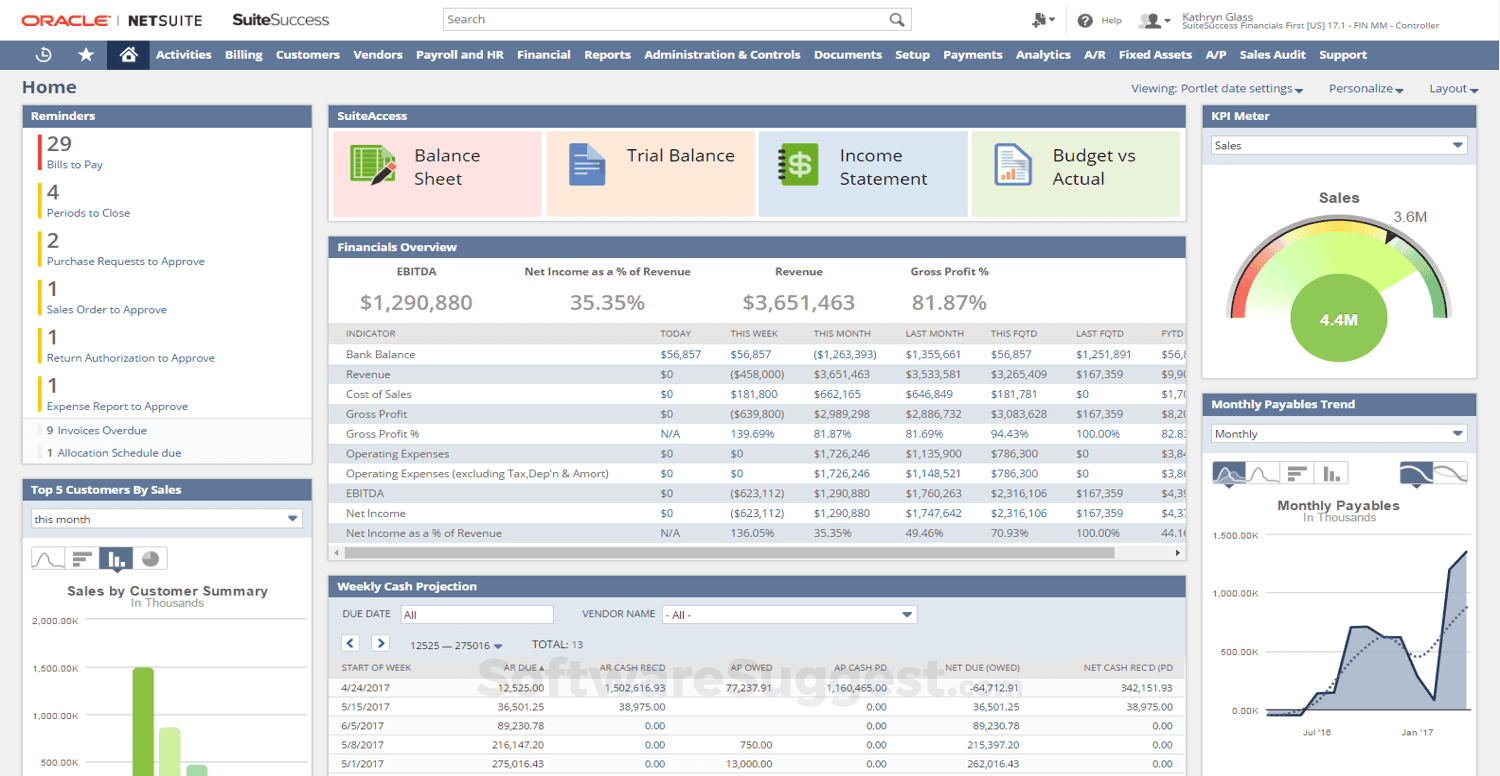
5. Reporting and Analytics: Finally, a good distribution ERP system should offer robust reporting and analytics tools to help you track key performance indicators and make data-driven decisions. Look for a system that offers customizable dashboards, real-time reporting, and the ability to generate custom reports to analyze sales trends, inventory turnover, and profitability. With access to accurate and up-to-date data, you can identify areas for improvement and make strategic decisions to drive growth and efficiency in your distribution business.
By considering these key features when evaluating distribution ERP software options, you can choose a system that will help you streamline operations, improve efficiency, and drive growth in your distribution business.
How ERP Systems Improve Inventory Management in Distribution
Inventory management is a crucial aspect of running a successful distribution business. Without proper management of inventory, companies can face issues such as stockouts, overstocking, and inefficient use of resources. This is where ERP systems come in to streamline and improve the inventory management process.
One of the key ways ERP systems improve inventory management in distribution is through real-time tracking and visibility. With an ERP system in place, businesses can monitor their inventory levels in real-time, allowing them to make informed decisions about restocking, distribution, and order fulfillment. This real-time visibility also helps businesses minimize stockouts and overstocking, ultimately reducing costs and improving overall efficiency.
Another way ERP systems improve inventory management is by automating processes such as inventory forecasting and replenishment. By analyzing historical data and trends, ERP systems can predict future demand for products and automate the replenishment process, ensuring that businesses always have the right amount of stock on hand. This automation not only saves time but also helps companies avoid stockouts and lost sales opportunities.
Furthermore, ERP systems help businesses optimize their warehouse operations by enabling them to track and manage inventory across multiple locations. By centralizing inventory data in a single system, businesses can easily transfer stock between warehouses, fulfill orders more quickly, and minimize the risk of stockouts. This centralized approach to inventory management ensures that businesses have the right products in the right place at the right time.
Additionally, ERP systems offer advanced reporting and analytics capabilities that allow businesses to gain valuable insights into their inventory management processes. By analyzing key performance indicators such as inventory turnover, carrying costs, and order fulfillment rates, businesses can identify areas for improvement and make data-driven decisions to optimize their inventory management strategies. These insights help businesses reduce costs, improve customer satisfaction, and drive overall profitability.
In conclusion, ERP systems play a crucial role in improving inventory management in distribution businesses. From real-time tracking and visibility to automation of processes and optimization of warehouse operations, ERP systems provide businesses with the tools they need to efficiently manage their inventory and meet customer demand. By harnessing the power of ERP systems, distribution businesses can enhance their competitiveness, reduce costs, and drive growth in today’s fast-paced and competitive market.
Implementing ERP for Supply Chain Optimization in Distribution
Implementing an ERP system in distribution can provide a wide range of benefits to companies looking to streamline their supply chain operations. ERP systems for distribution are designed to integrate various functions within a company, such as inventory management, order processing, and customer relationship management, to ensure smooth and efficient operations.
When implementing an ERP system for supply chain optimization in distribution, it is important to consider several key factors. One of the most critical aspects is data integration. This involves consolidating data from different departments and systems within the organization to provide a unified view of the supply chain. By having access to all necessary data in one place, companies can make better-informed decisions and respond quickly to changing market conditions.
Another important factor to consider when implementing an ERP system for distribution is business process alignment. This involves mapping out existing business processes and identifying opportunities for improvement. By aligning ERP functionalities with existing processes, companies can optimize workflows and eliminate bottlenecks, leading to increased efficiency and productivity.
Furthermore, implementing an ERP system can also help companies improve inventory management in distribution. By providing real-time visibility into inventory levels, companies can optimize their stocking levels, reduce carrying costs, and prevent stockouts. This leads to improved customer satisfaction and increased profitability.
Additionally, ERP systems for distribution can also enhance order processing and fulfillment. By automating the order processing workflow, companies can reduce errors, streamline fulfillment processes, and improve delivery times. This can result in faster order processing and increased customer satisfaction.
Overall, implementing an ERP system for supply chain optimization in distribution can help companies gain a competitive edge in the market. By integrating various functions within the organization, improving data integration, aligning business processes, optimizing inventory management, and enhancing order processing, companies can streamline their operations, reduce costs, and improve customer satisfaction. With the right ERP system in place, companies can achieve greater efficiency, productivity, and profitability in their distribution operations.
Case Studies: Successful ERP Implementation in Distribution Companies
There are numerous examples of distribution companies that have successfully implemented ERP systems to streamline their operations and improve efficiency. One such case study is that of XYZ Distribution, a leading distributor of industrial supplies. XYZ Distribution implemented an ERP system that integrated all aspects of their business, from inventory management to order processing. This allowed XYZ Distribution to increase their visibility into their operations, leading to better decision-making and cost savings.
Another example is ABC Logistics, a global distribution company that implemented an ERP system to manage their complex supply chain. By using the advanced forecasting and planning tools in their ERP system, ABC Logistics was able to optimize their inventory levels, reduce lead times, and improve customer satisfaction. The implementation of the ERP system also helped ABC Logistics to better manage their relationships with suppliers and partners, leading to increased collaboration and efficiency across their supply chain.
Additionally, DEF Wholesale, a distributor of consumer goods, successfully implemented an ERP system to improve their order processing and customer service. By automating manual processes and streamlining workflows, DEF Wholesale was able to significantly reduce errors and delays in order fulfillment. This led to faster order processing times, improved accuracy, and ultimately, higher customer satisfaction levels.
One of the key factors in the success of these ERP implementations was the commitment and support of top management. In each case study, the leadership of the distribution companies recognized the importance of the ERP system in driving operational efficiency and competitive advantage. They provided the necessary resources, including funding and training, to ensure the successful implementation of the ERP system.
Moreover, these distribution companies also focused on change management and communication throughout the ERP implementation process. They actively engaged employees at all levels of the organization, from warehouse staff to senior executives, to ensure buy-in and adoption of the new system. Training programs were implemented to ensure that employees were equipped with the necessary skills to effectively use the ERP system, leading to a smoother transition and quicker realization of the benefits.
In conclusion, the successful implementation of ERP systems in distribution companies has been instrumental in driving operational excellence, improving efficiency, and enhancing customer satisfaction. By leveraging the power of ERP technology, distribution companies can gain a competitive edge in a rapidly evolving market environment.